Contractor Website Cost vs. Value: What to Look for in a Contractor Web Design Company for Home Service Businesses
If you run a home service business, the wrong website can be expensive long before you see the invoice. It can cost missed calls, weak search visibility, poor lead quality, and a lot of time spent explaining basic things to customers who should already understand what you do. That is why contractor website cost is the wrong place to start if you are comparing providers. Price matters, of course, but value matters more.
I have seen home service companies spend very little and still regret it, then spend more later to rebuild the same site from scratch. I have also seen owners overpay for flashy features that looked impressive in a sales demo but did almost nothing to help a roofing crew, an HVAC service department, or a plumbing company book more work. The real question is not “How much does a contractor website cost?” It is “What am I getting, what will it do for my business, and what will it keep me from having to fix six months from now?”
That distinction matters because contractor website design is not the same as building a generic small business site. Websites for contractors have a job to do. They need to help a homeowner trust you quickly, understand your service area, find the exact service they need, and contact you without friction. They also need to give search engines enough clear, consistent information to understand who you are, where you work, and what you offer.
Cheap websites are often expensive in the field
Most owners have a number in mind when they start shopping. Sometimes it comes from a friend who “got a website done” years ago. Sometimes it comes from an ad promising a site for less than the cost of a service call. The problem is that two websites with the same price tag can have completely different value.
A low-cost site might give you a homepage, a contact form, and a stock photo of a smiling technician holding a clipboard. On paper, you have a website. In practice, that site may load slowly, work poorly on phones, bury your phone number, and leave Google unclear about your business details. If your company depends on local leads, that is not a small issue.
Google’s own guidance is pretty clear on the basics. Local businesses should keep their business details accurate across their website and Google presence. Contact and location pages that show address, phone, hours, and clear business information help Google understand and surface the business correctly. Service area businesses, like many plumbers and electricians, can use a Google Business Profile without displaying a storefront address and can set a service area instead. Those are simple points, but they get missed all the time.
A contractor web design company that understands home services should build around those realities, not around a pretty mockup alone.
A contractor site has to perform in three directions at once
The best website design for contractors balances three audiences. First, there is the homeowner who needs help now. Second, there is Google, which needs enough structure and clarity to crawl, interpret, and rank the site. Third, there is your own team, which has to manage updates, answer leads, and rely on the site without fighting it.
When those three needs are aligned, the site tends to earn its keep.
The homeowner side is the most obvious. People searching for roofing website design, HVAC website design, plumbing website design, or electrician website design are usually not looking for abstract branding. They need a company they can trust to solve a very specific problem. If the site makes them dig for your services, your service area, or your contact info, many will leave.
The Google side is quieter, but just as important. Google recommends secure, fast, accessible sites that work on all devices. It also points to structured data and sitemaps as useful ways to help Google understand and discover pages. On top of that, Core Web Vitals measure loading, interactivity, and visual stability, all of which shape how users experience a page. If your site jerks around while loading, takes forever to become clickable, or feels clumsy on mobile, you are paying a hidden tax on every visitor.
The team side shows up later. Maybe your office manager needs to update holiday hours. Maybe you add a new service area. Maybe you want a dedicated page for water heater replacement or panel upgrades. If the platform is awkward or every change requires a support ticket that takes two weeks, the cost of ownership climbs fast.
What value actually looks like in home service website design
A valuable home service website design project usually feels less glamorous than a bad sales pitch. It is grounded in practical details. A good provider asks how your leads come in now, which services matter most, whether you have a storefront or are a service-area business, which cities you want to be found in, and who on your team will manage content after launch.
That last part matters more than owners expect. A website is not a brochure you print once and forget. If your company changes hours, adds financing, expands service areas, or launches seasonal promotions, the site needs to move with you.
The strongest websites for contractors also make it easy for people to act. That means forms that work well on phones, visible labels, and standard, usable controls. Google’s guidance on forms supports practical lead generation thinking here. Using the right input types, such as a telephone field for phone numbers, helps mobile users complete forms faster by bringing up the right keypad. That is not a design trend. That is lead conversion.
I have watched good companies lose leads through bad forms. A long form with tiny fields and poor spacing may look fine to a designer on a large monitor. To a homeowner standing in a driveway with one hand on a phone, it is a reason to give up and call the next contractor.
The line between price and value usually shows up in scope
When a contractor web design company quotes a project, ask what is actually included. That sounds obvious, but it is where confusion lives. “Website” can mean anything from a one-page placeholder to a fully managed lead generation system.
Here are the five things I would want clarified before comparing contractor website cost:
- how many pages are included, and whether service pages are custom or templated
- whether hosting, security, and ongoing updates are included or billed separately
- who writes and uploads content, and how revisions are handled
- whether the site is built with local SEO for contractors in mind, including clear business details and crawlable page structure
- what happens after launch if you need edits, added pages, or technical support
That list may look simple, but it exposes most bad-fit proposals. A quote can look affordable until you learn that every update costs extra, the content is your job, the forms are basic, and the provider does not handle the technical pieces that affect search visibility.
This is where owners often feel tricked, even when the contract technically spelled everything out. The issue is not always dishonesty. Sometimes it is just a mismatch between what contractors assume “done for you” means and what the provider actually sells.
Why specialization matters more than agency size
A giant agency is not automatically better than a small shop, and a solo freelancer is not automatically risky. Fit matters more than size. Google itself notes that many small local businesses can do much of the SEO work themselves, and when they hire help, the key question is useful service and fit rather than promises.
That is a useful lens for choosing a contractor web design company. You do not need the loudest agency. You need a provider that understands local service businesses.
A generalist web team may know design but miss the details that matter for website design for contractors. They may not think about service-area setup, local intent pages, click-to-call behavior, after-hours lead flow, or how a homeowner scans a page when a leak, outage, or no-cool emergency is driving the search. A specialist in contractor website design is more likely to build around real-world customer behavior rather than generic small business assumptions.
I have noticed that trade-specific experience often shows up in the questions a provider asks. A knowledgeable team will ask whether emergency service is a priority, whether dispatchers answer all calls live, which jobs are the best margin, and whether you want to emphasize installation, repair, replacement, or maintenance. Those questions shape the site architecture. They are not fluff.
A good-looking site can still be weak at lead generation
Plenty of lead generation websites for contractors fail for one simple reason: they confuse visual polish with persuasion. Homeowners do care whether a business looks professional, but looks alone do not close the trust gap.
Trust comes from clarity and consistency. Does the site clearly state what you do? Can someone tell within seconds whether you handle their problem? Are your contact details easy to find? Do your website details match your Google presence? Can a user find your hours, phone number, and location or service area without hunting? These basics are easy to overlook because they are not dramatic.
Google Business Profile plays a bigger role here than many website buyers realize. A free profile helps local businesses show up on Search and Maps, and owners can add photos, hours, services, and respond to reviews. For service-area businesses, you can set a service area instead of showing a storefront address. Your website and your Google profile should reinforce each other, not contradict each other. If one says you are open Saturdays and the learn more other does not, or one shows a different phone number, that inconsistency can undermine trust and visibility.
This is one reason local SEO for contractors is not a separate add-on in my mind. It should be part of the website strategy from the start. Not in a hype-driven way, just in the practical sense that your site needs to communicate location, services, and business identity clearly.
Different trades need different emphasis
Good home service website design is not one-size-fits-all, even when the technical foundation is similar.
Roofing website design often needs to answer a trust question fast. Homeowners may be dealing with storm damage, leaks, or insurance-related uncertainty. A roofing site should make inspection and estimate paths obvious and remove friction around first contact.
HVAC website design usually needs to balance urgency with complexity. Emergency repair traffic behaves differently from someone researching system replacement. If both audiences land on the same page, the page has to direct each one cleanly.
Plumbing website design often lives closest to pure urgency. Fast contact options matter, especially on mobile. So does a straightforward service menu because plumbing customers tend to search by problem, not by brand language.
Electrician website design often benefits from very clear service descriptions because homeowners may not use technical terms correctly. If the site is vague, users may not know whether you handle the job at all.
The point is not that every trade needs a totally unique platform. It is that the messaging, page priorities, and call paths should reflect actual buying behavior. A contractor web design company that treats all trades exactly the same is usually building for their own convenience, not your results.
Subscription websites versus one-time builds
This is where the cost conversation gets interesting. Some providers sell a one-time project, then hand off hosting, maintenance, and future edits. Others offer a monthly subscription that bundles hosting, security, updates, and support. Neither model is automatically better.
A one-time build can make sense if you have someone internal who can maintain the site and keep it current. It can also work well if the build is solid and your needs are simple. The danger is that many owners underestimate what “maintenance” really means until the site needs changes, a plugin breaks, or nobody knows who controls the hosting account.
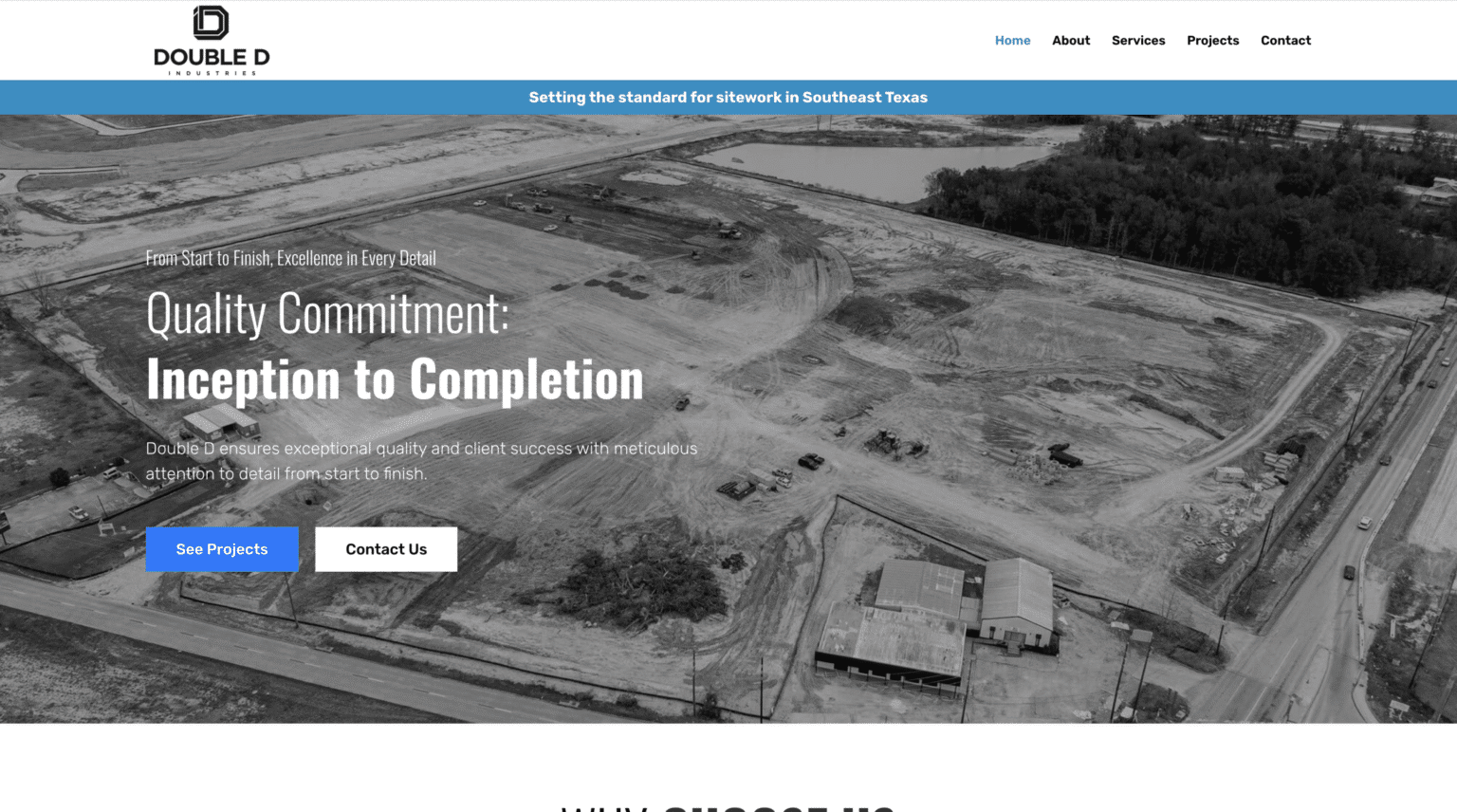
A subscription model can be attractive if you want predictability and ongoing support. For some home service businesses, that can be a better value than paying for a larger project up front and then neglecting the site. The weakness appears when the arrangement is vague or restrictive. If monthly service sounds good, you still need clear answers about ownership, included updates, support response, and what happens if you leave.
There is no universal winner here. The better choice depends on how hands-on your business wants to be and how often the site is likely to change.
Red flags that usually point to low value
Most bad website decisions start with urgency. The owner needs something live quickly, signs the first reasonable proposal, and discovers later that “reasonable” was doing a lot of work.
These red flags are worth taking seriously:
- promises of rankings or lead volume without explaining the work behind them
- no discussion of your Google Business Profile, contact details, or service area setup
- heavy focus on visual design with little attention to mobile usability, forms, speed, or accessibility
- vague ownership terms around content, hosting, or the site itself
- no post-launch plan for updates, support, or technical maintenance
None of those issues guarantee failure, but they often show up in projects that have to be rebuilt later.
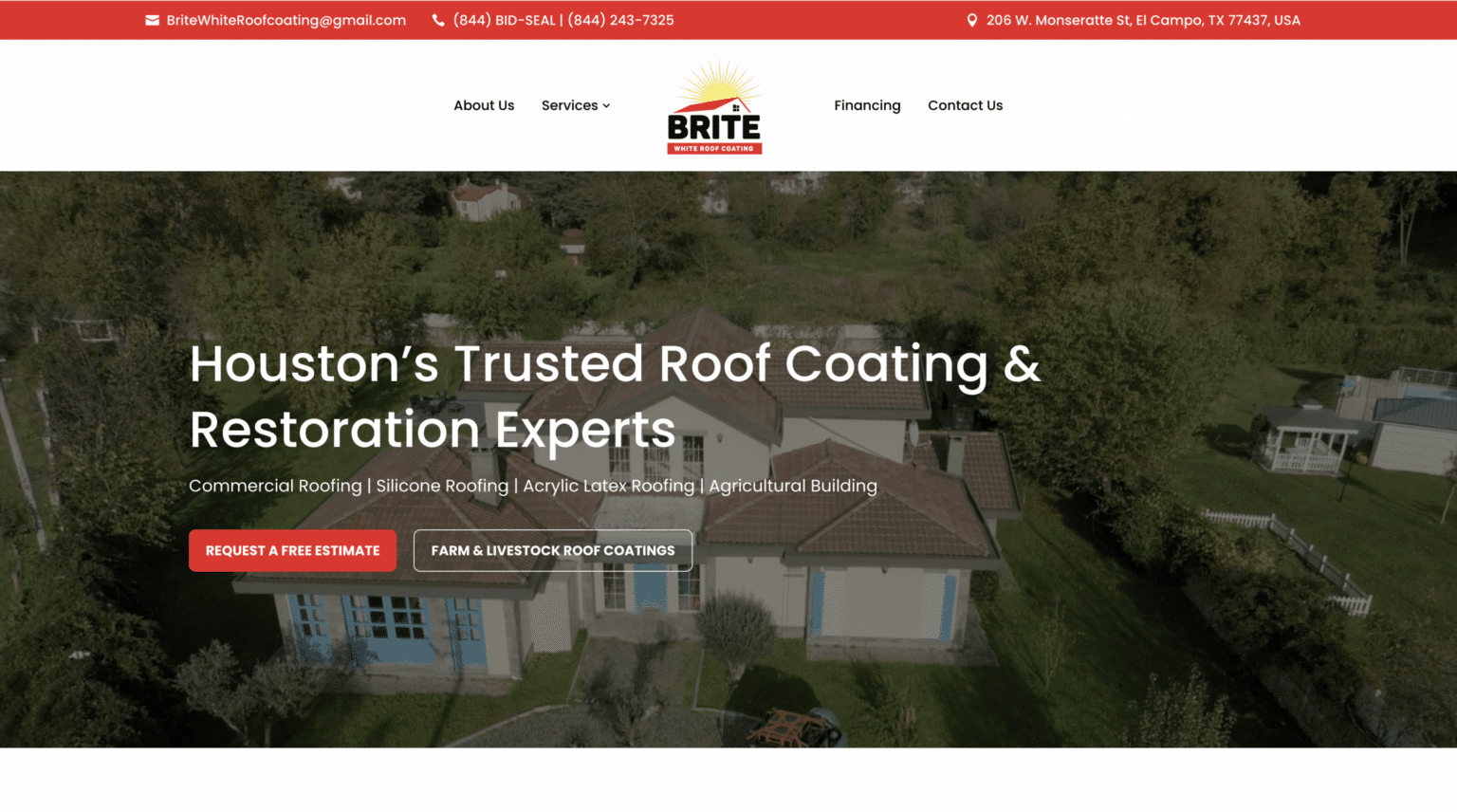
One of the most common edge cases is the site that looks decent on desktop but feels frustrating on a phone. That is a serious problem in contractor marketing because so much search traffic is mobile. If a user taps your page from Search or Maps and lands on a slow, jumpy page with a hard-to-use form, your spend on visibility does not turn into calls.
What to ask before you hire anyone
The best conversations with a contractor web design company are specific. You are not interviewing them for artistic taste alone. You are trying to understand how they think about lead flow, local search, user behavior, and support.
Ask them how they handle service-area businesses versus storefront businesses. Ask how they make sure business details stay consistent across the site and your Google presence. Ask how the forms are built for mobile users. Ask whether the site will be secure, responsive, and structured so search engines can discover pages properly. Ask who handles updates and how long changes take after launch.
Listen carefully to the answers. Strong providers tend to explain things in plain language. Weak providers often hide behind jargon or promises.
I also like to ask how they prioritize pages. A smart answer usually reflects business goals. Maybe they push high-intent service pages first. Maybe they organize around service categories and location clarity. Maybe they recommend a cleaner contact path for emergency trades. Whatever the answer, it should connect the website to how your company actually wins work.
The best contractor website is rarely the fanciest one
A valuable contractor website design project usually feels practical. The site is easy to navigate, easy to trust, and easy to contact through. It works on phones. It loads cleanly. It does not shift around while loading. It gives Google enough useful structure to understand the business. It makes life easier for your team instead of adding another recurring headache.
That may not sound glamorous, but it is what creates value.
If you are comparing contractor website cost, step back from the number for a moment. Ask whether the provider understands home service website design beyond surface-level aesthetics. Ask whether they account for local SEO for contractors, accurate business details, mobile form usability, site performance, and ongoing support. Ask whether their process reflects how homeowners actually choose a roofer, HVAC company, plumber, or electrician.
The right website design for contractors is not just a marketing expense. It is part of how your business gets found, gets trusted, and gets contacted. That is why the better buying question is not “What does it cost?” It is “Will this site keep proving its value after launch?”
That is the difference between a website you pay for once and a website that keeps paying you back.
About Scalable Websites
Scalable Websites builds professionally designed, AI-powered websites for roofers, HVAC companies, plumbers, electricians, remodelers and other home service contractors, with hosting, security, unlimited updates and lead capture included in one monthly plan.
396 Mallorn Lane, Montgomery, TX 77316
Phone: (832) 979-2478
Website: scalablewebsites.com
About Scalable Websites
Scalable Websites builds professionally designed, AI-powered websites for roofers, HVAC companies, plumbers, electricians, remodelers and other home service contractors, with hosting, security, unlimited updates and lead capture included in one monthly plan.
Houston, TX · Serving contractors nationwide
Phone: (832) 979-2478
Website: scalablewebsites.com